"This Doesn't Sound Like You": When Your Supervisor Questions the Voice Behind Your Chapters

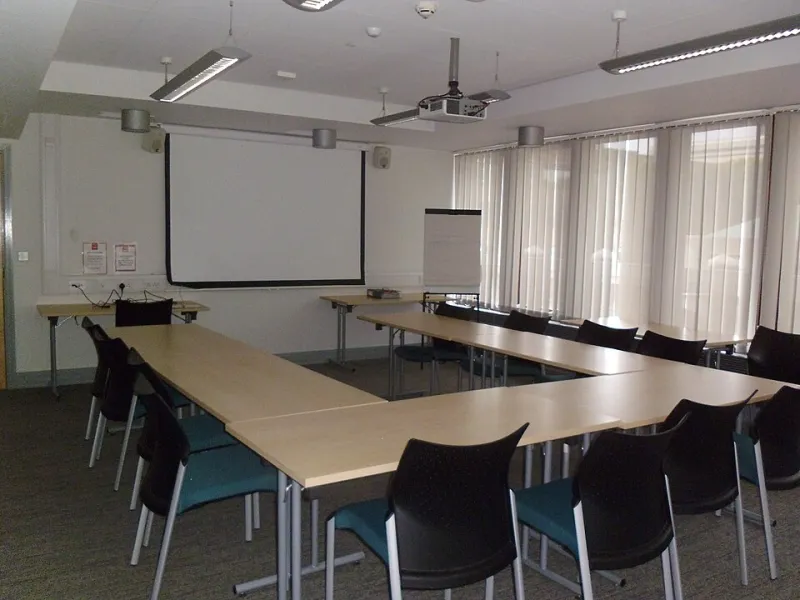
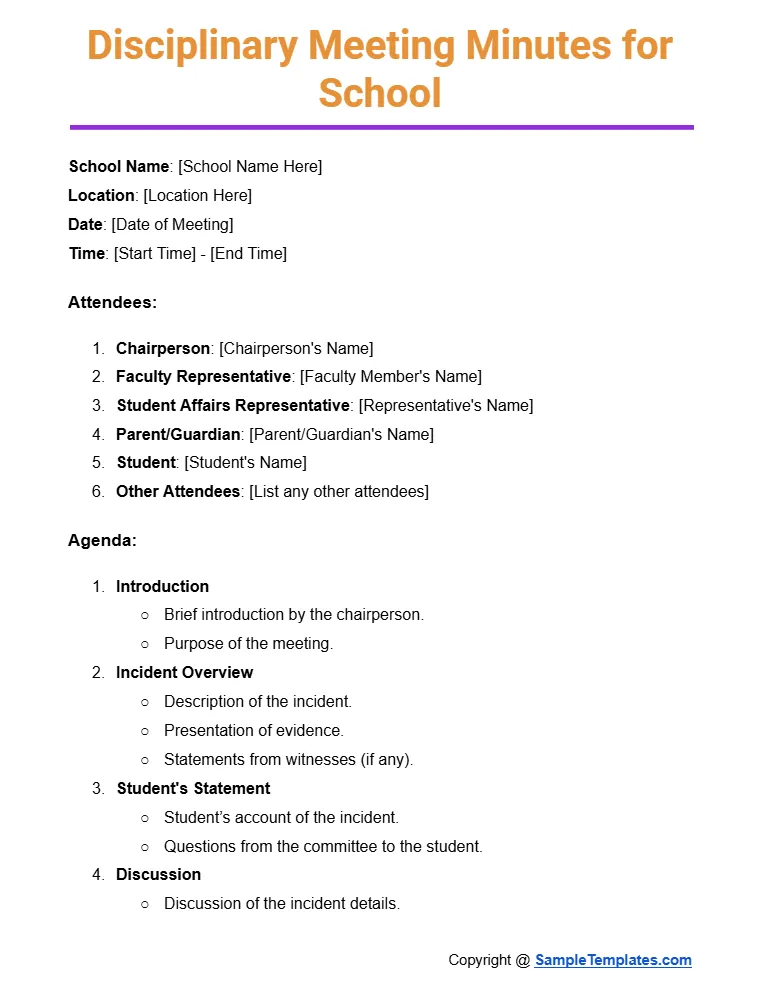
Photo: nervous student meeting with university supervisor office, via dm0qx8t0i9gc9.cloudfront.net
Most postgraduates dread feedback on their methodology. Far fewer anticipate the email that says, quietly but firmly: I'd like to talk about the writing in Chapter Two. It reads rather differently from your earlier work.
For students who have done nothing wrong, the moment is bewildering. For those who have leaned heavily on outside help, it is terrifying. Either way, the conversation that follows can shape the rest of your degree — so it is worth understanding exactly what your supervisor is looking at, and what you should have ready.
Why Voice Consistency Actually Matters
Examiners and supervisors are not stylistic detectives by temperament. They become attentive to voice for practical reasons. A dissertation is a sustained argument developed over months, and abrupt changes in register, sentence construction or analytical confidence suggest one of three things: rapid improvement, heavy reliance on new sources or templates, or third-party involvement.
Supervisors typically flag a shift when they notice:
- Vocabulary or phrasing that sits well outside the student's seminar contributions
- A chapter with far fewer of the hesitations and rough edges typical of drafts
- Referencing styles that change partway through
- Content that could not have been discussed in supervision meetings
None of these observations is an accusation. But under the UK Quality Code for Higher Education and individual university misconduct procedures, unexplained authorship concerns can escalate. The sensible response is preparation, not panic.
The Conversation, and How to Handle It
If your supervisor raises the question, resist the urge to be defensive. A calm, factual account of your process is far more persuasive than an emotional denial. You should be able to say, without hesitation, how each chapter was drafted, what feedback shaped it, and what assistance — if any — you received.
If you did use legitimate support, say so plainly. Proofreading, copy-editing, statistical consultation and language support for international students are all broadly acceptable at UK universities, provided the intellectual work remains yours. What transforms support into misconduct is outsourcing analysis, argument or authorship itself.
Documenting Your Process Before Anyone Asks
The strongest protection is a paper trail that exists before it is needed. Think of it as academic insurance:
- Version history. Word processors and cloud platforms timestamp every edit. A document showing gradual development over weeks is powerful evidence.
- Supervision notes. Keep a brief record of each meeting: what was discussed, what was agreed, what you were asked to revise.
- Drafts, not just finals. Retain early, imperfect versions. A polished chapter with no visible ancestry invites questions; one that evolved visibly does not.
- Written confirmation of support. If you engage an editor or consultant, keep the engagement terms. A short statement clarifying that editing covered language and presentation only — not content — removes ambiguity later.
Students who work with a reputable service such as DissertationWriter.uk will find that proper providers insist on this clarity themselves. Firms that cannot explain where legitimate support ends and authorship begins are the ones to walk away from.
If English Is Your Second Language
A disproportionate number of voice concerns arise with international students, whose prose may improve sharply once professional language support begins. This is not misconduct — but it should be transparent. Most UK universities expect students to declare substantial language editing, and some require editors to sign a declaration. Check your institution's policy and disclose accordingly. A paragraph in your acknowledgements costs nothing; an integrity referral costs a great deal.
Turning Scrutiny into Strength
There is a counterintuitive upside to being asked who wrote your work: it is an opportunity to demonstrate ownership. A student who can talk fluently through their argument, defend their choices and produce their drafts on request resolves the matter in a single meeting. The question "who really wrote this?" is only dangerous when the honest answer is uncertain.
Build the habit now. Write in your own register, seek feedback openly, document everything, and use outside help only in ways you would be comfortable explaining face to face. That is not paranoia. It is simply what a defensible dissertation process looks like — and it is the only kind worth submitting.