Inside the Integrity Panel: How Universities Actually Investigate Suspected Third-Party Writing
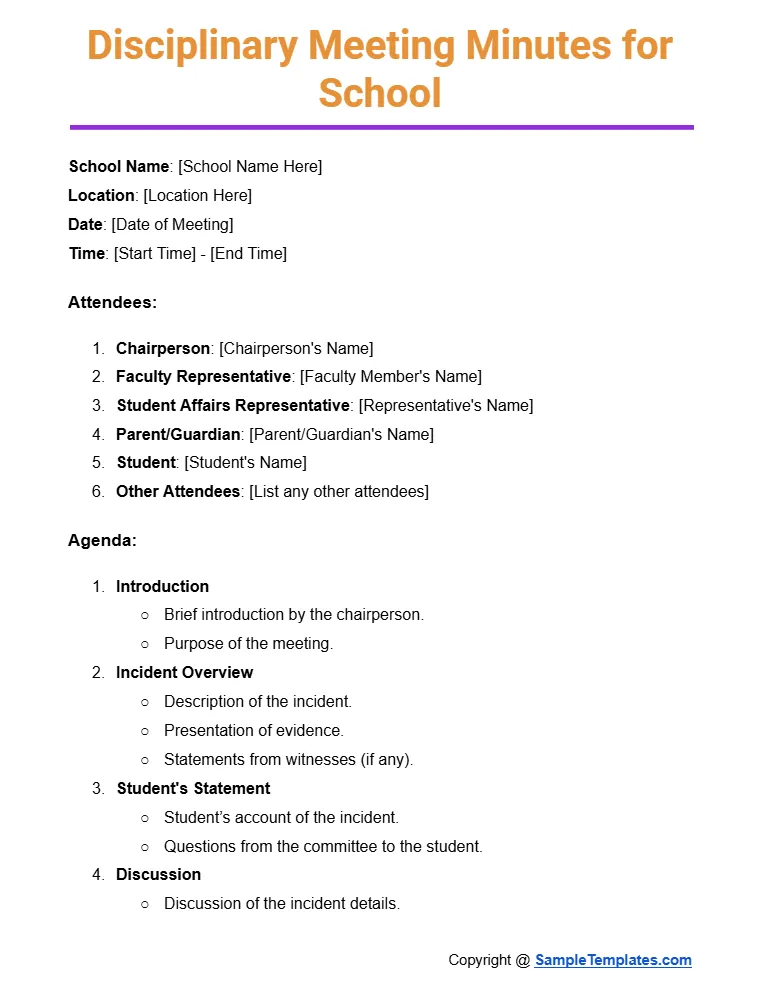
Photo: university disciplinary panel meeting table formal, via images.sampletemplates.com
Most students imagine an academic misconduct investigation as a dramatic confrontation. In reality, it is closer to an audit. When a UK university suspects that a dissertation was not wholly the candidate's own work, the matter passes to an academic integrity panel, and the process that follows is methodical, evidence-led and, crucially, predictable. Understanding what the panel actually examines is the first step towards protecting yourself — particularly if the outside help you received was entirely legitimate.
What Triggers an Investigation
Referrals rarely begin with a rumour. The most common trigger is a similarity report that behaves unusually: Turnitin flags text matching material that was never published, such as previously submitted work or, increasingly, patterns consistent with AI-generated prose. Supervisors may also initiate a referral after noticing a sudden shift in a student's writing register, or a final chapter that bears little resemblance to the drafts discussed in meetings.
Once a referral is made, the case typically moves through three stages: an initial evidence-gathering phase, an informal meeting or interview, and, if concerns persist, a formal panel hearing under the institution's academic misconduct regulations.
The Evidence a Panel Will Weigh
Panels are expected to reach conclusions on the balance of probabilities, not beyond reasonable doubt. To do so, they assemble several strands of evidence.
Similarity and stylometric reports. Beyond the standard Turnitin score, some institutions use authorship analysis tools that compare vocabulary, sentence rhythm and punctuation habits against the student's earlier submissions. A dissertation whose style diverges sharply from a student's first-year essays invites questions.
Supervision records. Meeting notes, email threads and draft version histories form a timeline. If a student has discussed methodology with a supervisor in February but submits a chapter built on an entirely different design, the panel will want an explanation.
The viva-style interview. Many panels ask the student to talk through their work: why a particular sampling strategy was chosen, what a key cited study argues, how the analysis was run. Genuine authors can usually answer these questions, even nervously. Panels understand that candidates under pressure may stumble; they are looking for comprehension, not polish.
Draft provenance. Version history in Word or Google Docs, annotated drafts and supervisor feedback all demonstrate the organic, imperfect process of writing. A document with no drafts at all is itself a signal.
Where Legitimate Support Fits
Here is the point that matters most: using professional support is not, in itself, misconduct. The Quality Assurance Agency's guidance distinguishes clearly between contract cheating and permitted assistance. Proofreading, statistical consultation, academic coaching and editing for English as an additional language are widely accepted, provided they are disclosed where institutional rules require it and the intellectual content remains the student's own.
The difficulty arises when a student cannot evidence the boundary. If a consultant helped you structure your quantitative analysis, a panel may reasonably ask what you did and what they did. The answer should be documented before the question is ever asked.
Building Your Own Paper Trail
Students who engage legitimate services should treat record-keeping as insurance. A practical file includes:
- A written agreement or engagement letter from the service, stating explicitly that it provides editing, coaching or consultation rather than authored work.
- Copies of the material you supplied and the annotated version returned, showing comments and corrections rather than replacement text.
- Notes from any consultation sessions, including the advice given and the decisions you took in response.
- Your institution's own guidance on proofreading and third-party support, retained for reference.
If a panel ever reviews your case, this file transforms a vague anxiety into a clean narrative: you sought support, you understood its limits, and your dissertation remained your own intellectual labour.
If You Are Called to a Meeting
Should you be invited to discuss concerns, attend, cooperate and be honest. Panels respond far better to a student who says, "I used a proofreading service; here is the agreement and the marked-up draft," than to one who cannot account for their own bibliography. If the process feels overwhelming, your students' union advice service can accompany you, and many universities allow a companion at formal hearings.
The lesson is not to avoid support — a stretched postgraduate juggling work, visas and a one-year Masters timetable often genuinely needs it. The lesson is to choose support that keeps you on the right side of the line, and to keep the paperwork that proves it.