Extension, Mitigating Circumstances or Carry On? Mapping the Right Route Before Your Deadline Consumes You

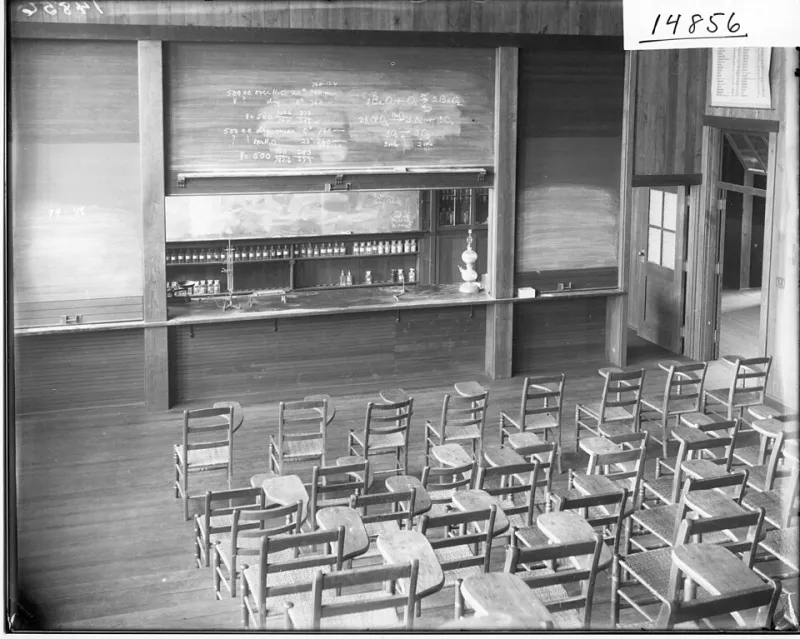
Photo: Patricia DuBose Duncan, Public domain, via Wikimedia Commons
There is a particular silence that descends on a postgraduate student who has decided, privately, that the dissertation will not be finished on time. The instinct is to keep going, say nothing, and hope some combination of adrenaline and coffee closes the gap. Sometimes it does. Frequently it does not — and by the time the failure is acknowledged, the university's formal safety valves have narrowed or closed.
This guide is a decision tree for that moment, ideally read before the crisis rather than during it.
Question One: Is the Problem Temporary or Structural?
Be brutally honest. An illness, a bereavement, a family emergency or a sudden work crisis that has cost you two or three weeks is a temporary disruption — the classic territory of mitigating circumstances. A supervisor relationship that has broken down, data that never materialised, or six months of unmanaged anxiety is a structural problem. Extensions solve the former; they rarely solve the latter, because they add time without removing the obstacle.
If your answer is 'structural', skip ahead. If it is 'temporary', read on.
Question Two: What Does Your Institution's Window Allow?
This is where UK universities diverge sharply. Many Russell Group institutions require extenuating circumstances claims to be submitted within a set number of working days of the deadline — often five to ten — and some expect notification before the deadline where the circumstance is foreseeable. Post-92 universities frequently offer more generous windows, but several have moved to 'self-certification' caps: you may self-certify short extensions only once or twice across your entire degree.
Check three things in your programme handbook: the claim window, the evidence threshold, and whether extensions are granted by a panel or automatically at a fixed length. A ten-day automatic extension is a very different decision from a discretionary one requiring a panel to approve.
Question Three: What Evidence Actually Carries Weight?
Panels are not moved by narrative alone. Strong claims typically include:
- A GP letter, hospital discharge summary, or Appointment confirmation covering the affected period
- A dated letter from an employer or, for bereavement, a death notice or funeral card
- Evidence of a clear causal link: the circumstance must map onto the weeks you lost
Vague letters that say a student 'was seen in surgery' without indicating impact are routinely discounted. If you need time to obtain proper evidence, that is itself a reason to submit the claim early rather than late.
Question Four: Does an Extension Actually Help?
Run this test: if granted four extra weeks, list what would change. If the list is concrete — data collection completed, a chapter redrafted following feedback — the extension is likely to convert into a better mark. If the list is 'I'll feel more motivated', it probably will not. An extension that merely relocates the crisis to a later date costs you the summer resit window, defers your award, and can complicate visa timelines for international students. It is a tool, not a remedy.
Making the Call
The students who navigate this well tend to do one thing differently: they decide within days, not weeks. Whether the answer is to push through with a triaged plan, claim a formal extension, or escalate to a structural conversation with your supervisor, early decisions preserve options that late ones destroy. If you are uncertain which branch of the tree you are on, an independent consultation — one that looks at your timeline, your institution's rules and your actual draft — can clarify the position before the deadline makes the decision for you.