Behind the Closed Door: A Student's Guide to Academic Conduct Referrals and How to Respond
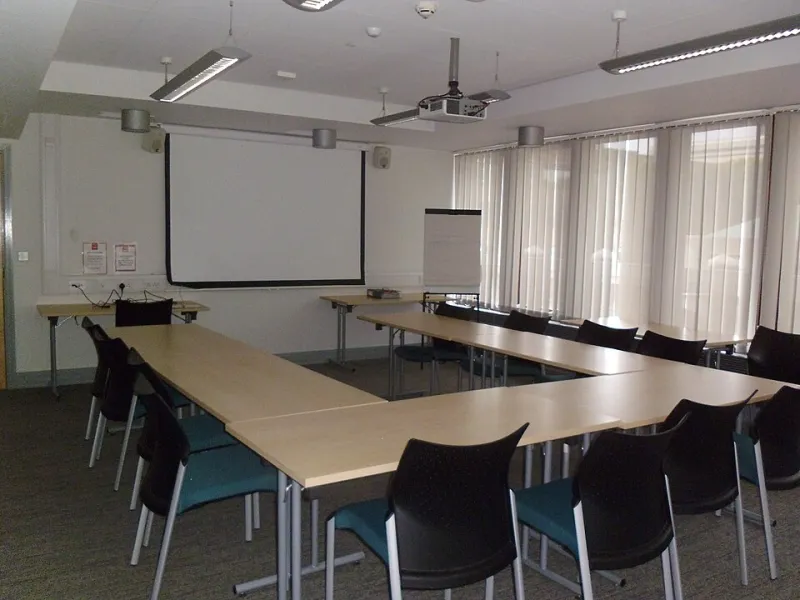
Photo: Robin S. Taylor, CC BY-SA 4.0, via Wikimedia Commons
Most postgraduate students will never encounter an academic integrity panel. But for the minority who do, the experience is frequently described as disorienting: weeks of silence, cryptic emails, and a mounting sense that decisions about your degree are being made in rooms you cannot enter.
The reality is more structured than it feels. Academic misconduct procedures at UK universities follow broadly similar patterns, governed by institutional regulations and, in many cases, informed by the QAA's guidance on academic integrity. Understanding the sequence — and your rights within it — transforms the process from something done to you into something you can actively participate in.
The Referral: When a Concern Is Raised
A referral usually begins informally. A supervisor notices a shift in writing style, a citation that doesn't resolve, or prose that reads as unfamiliar compared with earlier submissions. At this stage, nothing has been decided. The supervisor will typically raise the matter with a personal tutor or academic integrity lead, who decides whether a formal referral is warranted.
Students are often not notified until the referral has been made. This is normal, and it is not an accusation — a significant proportion of referrals are resolved without any finding of misconduct. Similarity reports, missing references, and undeclared collaboration account for many cases that are settled at the first hurdle.
The Investigation Stage
Once a referral is formalised, an investigator — often a member of academic staff unconnected to your module — will review the work and any supporting evidence. Expect this stage to take between two and six weeks at most institutions, though complex cases involving external data or multiple submissions can run longer.
You are normally invited to a meeting or asked to provide a written response. This is the single most important opportunity you will have, and it is routinely underused. Students frequently submit brief, defensive statements when a considered, evidence-backed response would serve them far better.
What You Can Actually Say
Your representation should be factual, organised, and supported by documentation. Useful materials include:
- Draft versions and supervision notes showing the development of your work
- Library records, reference manager exports, or research logs
- A clear explanation of your methodology and writing process
- Evidence of any disclosed support, such as proofreading or study skills sessions
If you used legitimate support services — a proofreader, a statistics consultant, or structured writing guidance — say so plainly. UK universities generally distinguish carefully between support that develops your own work and services that substitute for it. Transparency about the former is rarely held against you; concealment is what creates problems.
The Panel and the Outcome
Formal panels typically comprise academic staff and often a students' union representative. Outcomes fall into a spectrum: no case to answer, a resubmission with corrections, a mark cap, or — in serious proven cases — more severe penalties. Written outcomes are normally provided within a few weeks, with a right of appeal on procedural grounds.
Where Prevention Beats Defence
The students who navigate this process best are those who can evidence their own process. Keep your drafts. Log your supervision meetings. Document every source. And if you are struggling — with structure, with analysis, with time — seek support that builds your capability rather than replacing it.
At DissertationWriter.uk, that distinction defines how we work: consultation, planning support, and feedback on your own writing, never substitution for it. If a conduct referral has left you unsure of your footing, your university's students' union advice service should be your first call — and a conversation about doing the work properly, with the right support, should be your second.